Crafting Perfect Bespoke Fresh Produce Boxes: A Comprehensive Walkthrough
Creating custom produce boxes requires a calculated method. Professionals must evaluate environmental responsibility, functionality, and aesthetics. Selecting the right materials is vital for maintaining freshness and promoting environmentally conscious practices. Additionally, dimensions and form can significantly affect usability and shipping effectiveness. Impactful visual elements strengthen brand recognition, while thorough testing guarantees durability. Understanding these components will reveal key insights into developing exceptional packaging designs that resonate with customers. What follows next is fundamental to achieving those goals.
Choosing the Right Components for Custom Produce Boxes
When selecting materials for custom produce boxes, it is essential to review both operational performance and environmental impact. The choice of material considerably affects the box's durability, weight, and ability to preserve the contents. Common materials feature corrugated cardboard, which supplies strength and is able to be recycled, making it a preferred choice for eco-conscious businesses. Biodegradable options, such as molded pulp or plant-based plastics, also embrace eco-friendly practices while offering adequate protection for delicate produce.
In addition, liquid resistance is indispensable for sustaining product quality, prompting some creators to examine treated materials or tailored protective barriers. The aesthetic appeal of the box should not be overlooked, as brand identity and visual communication can sway market perception. Ultimately, the optimal choice should maintain proportion between safeguarding products, appealing to customers, and following ecological standards, ensuring both functionality and sustainability are prioritized in the design process.
How to Find the Right Size and Shape for Functionality?
When deciding on the size and shape of custom produce boxes, thorough evaluation of produce dimensions is crucial for effective storage. Additionally, considerations for handling and transport can impact the box design, guaranteeing ease of movement. Optimizing shelf space usage further improves functionality, enabling efficient display and storage.
Review Produce Dimensions Carefully
Assessing the suitable form and capacity for vegetable boxes is essential for functionality and efficiency. Accurate assessment of produce dimensions is critical, as it guarantees that items fit snugly without excess space that could lead to damage during storage or transport. Bespoke boxes need to accommodate assorted configurations, from soft-skinned fruits to bulky vegetables, while maintaining structural integrity. Furthermore, the height and width of the boxes should enable organized stacking and inventory management, making full use of space in storage facilities. A expertly built box not only protects the produce but also strengthens visual appeal for consumers. To sum up, measured analysis of dimensions contributes to reducing waste and improving buyer experience in the supply chain.
Assess Handling and Transport
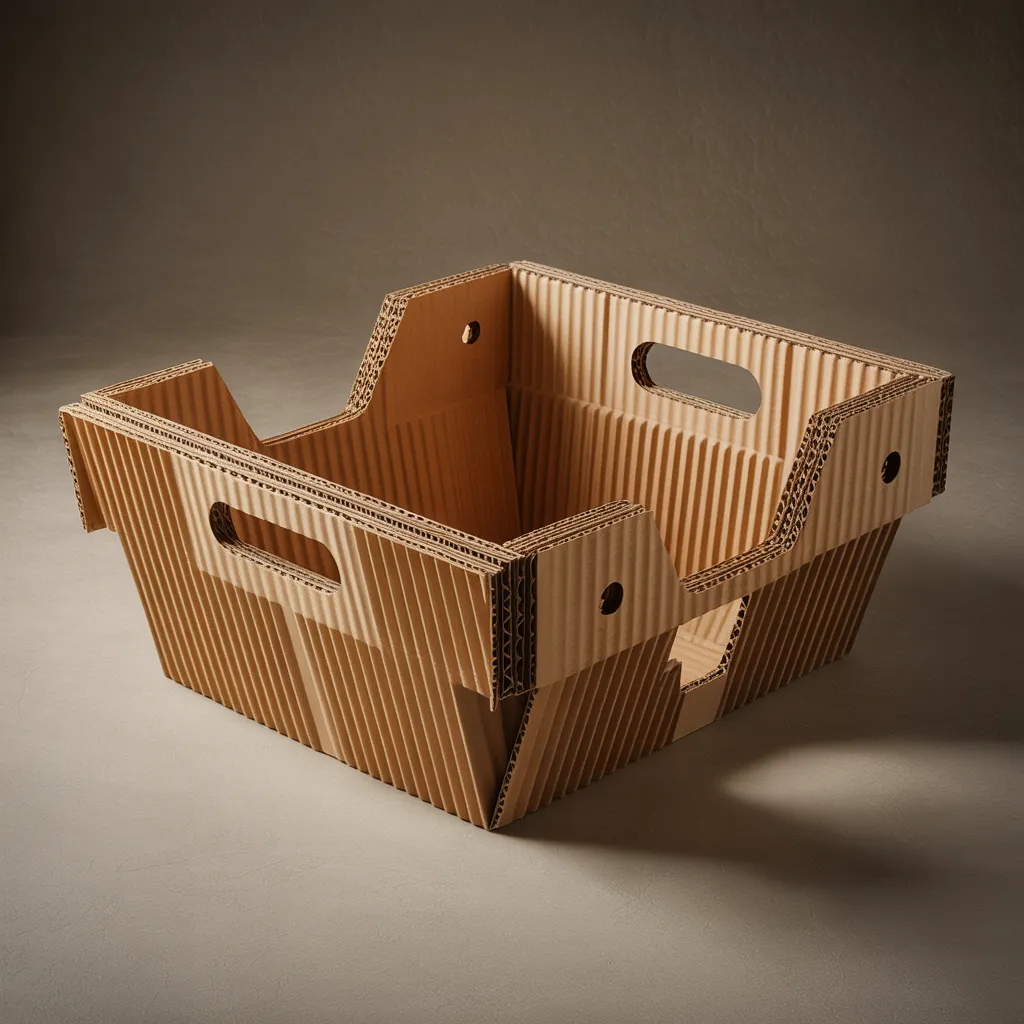
Handling and delivery considerations play a major part in determining the right size and configuration of custom agricultural boxes. The measurements must contain the produce with no excessive space, which could lead to shifting and damage in transit. Smaller, compact boxes make simpler management, while big containers may prove essential to handle bulkier items. Also, ergonomic design remains essential; handles or openings ought to be deliberately placed to allow for easy hoisting plus carrying. The form of the box equally determines arrangement and steadiness, guaranteeing that products remain intact. Ultimately, thorough thought regarding such components strengthens the productivity of shipping, minimizes item loss, and maintains the overall soundness concerning the fresh goods from field toward buyer.
Improve Retail Space Optimization
Maximizing shelf space usage depends on choosing the correct proportions and design of custom produce boxes. Design teams should evaluate the dimensions of the shelving units as well as the categories of produce being placed. Rectangular boxes often enhance space efficiency, facilitating for more convenient organization and positioning. In contrast, unusual shapes can boost visual appeal but may cause additional article unused space if not strategically planned.
It's vital to assess the inventory turnover rate; products with slower velocity might take advantage of compact, readily accessible boxes. Furthermore, incorporating flexible or customizable structures can accommodate varying product dimensions while optimizing display organization. By prioritizing aesthetic and functional qualities, businesses can develop a functional and visually striking display that enhances both ease of access and promotional impact.
How to Design Visuals That Grab Interest?
Compelling artwork can reshape a simple custom produce box into a beautiful showcase that draws notice. To reach this, visual artists should commence by selecting a color palette that conveys the freshness and brightness of the produce. Luminous, captivating colors can awaken impressions of freshness and health, compelling consumers to take a closer look.
Strong typefaces is also essential; readable typefaces can effectively communicate essential information while enhancing design value. Additionally, using high-quality images of the products can establish instant connection, showcasing the product's quality and enticing prospective purchasers.
Furthermore, incorporating unique patterns or illustrations can help differentiate the brand in a crowded market. Alignment in design elements, such as logos and taglines, reinforces brand identity. Ultimately, a fusion of creativity and clarity in graphic design can greatly elevate the power of custom produce boxes, making them gain attention on shelves.
Green Practices for Custom Produce Box Protective Covering
An rising quantity of businesses are adopting eco-friendly methods for custom produce box packaging, recognizing its significance in today's environmentally conscious market. These approaches often encompass the use of decomposable materials, such as recycled paper and plant-based plastics, which reduce environmental impact. Companies are also concentrating on sustainable sourcing, guaranteeing that materials are obtained from responsibly managed forests or suppliers who prioritize environmental stewardship.
Also, many brands are choosing minimalist designs that reduce waste while still successfully showcasing their products. This method not only appeals to environmentally conscious consumers but also assists with cutting production costs. Moreover, businesses are progressively establishing efficient manufacturing processes that restrict energy consumption and waste generation. By integrating these sustainable practices, companies not only improve their brand image but also contribute positively to the planet, aligning their operations with a sustainable future.
Testing Your Personalized Produce Box Design
Evaluating the design of specialized fruit containers is a vital step in verifying they fulfill both visual and operational specifications. This process generally involves reviewing factors like resilience, size, and usability. First, prototypes need to be created to evaluate the container's build quality, ensuring it can withstand transportation and storage without compromising the contents.
Subsequently, functional tests can be initiated to establish how easily the boxes can be opened, closed, and positioned. Input from future users can be invaluable in this stage, imparting insights into the box's practicality.
Additionally, the design's visual appeal should be tested through surveys or focus group sessions, assessing consumer reactions to branding elements, colors, and overall presentation.
Ultimately, thorough evaluation allows designers to refine the box, guaranteeing it not only appeals to customers but also properly safeguards and presents the produce within, maintaining the right equilibrium between form and function.
Promoting Your Custom Produce Boxes Successfully
Successful promotion of custom produce boxes demands a well-planned strategy that highlights their distinctive advantages and value. Companies should concentrate on identifying their target audience, such as local farms, grocery stores, or individual consumers. Utilizing social media platforms can boost brand awareness, displaying the boxes' design and practicality through compelling visuals and storytelling.
Additionally, teaming up with neighborhood advocates and farming professionals can strengthen standing and expand customer base. Featuring incentives or cost savings during peak demand times can capture initial customers and encourage sustained patronage.
Moreover, stressing environmental consciousness and green initiatives in advertising content can connect with eco-minded customers. Supplying detailed information about the materials used and the positive aspects of custom packaging can better position the item in a competitive market.
In the end, a detailed promotional approach that blends internet-based and grassroots efforts will effectively market custom produce boxes, appealing to a diverse clientele and increasing sales.
Commonly Requested Queries
What Do the Fees Related to Custom Produce Box Development?
Charges regarding custom produce box design comprise materials, print production, labor, and freight. Also, design consultation and order thresholds can shape total costs, creating different pricing structures based on individual specifications and manufacturing scale.
What Duration Is Required to Manufacture Custom Boxes?
Creating custom boxes usually takes two to six weeks in production. Multiple elements that influence this duration are design intricacy, material availability, and production capability, each of which can alter delivery timelines and turnaround times.
Can I Acquire a Compact Shipment of Custom Produce Boxes?
Yes, small volumes of custom produce boxes can usually be ordered. Many merchants deliver threshold order amounts, making it possible for firms or consumers to obtain tailored packaging options without needing to obligate to large quantities to start.
What Are Common Mistakes to Prevent in Custom Box Design?
Common pitfalls in custom box creation feature neglecting functionality, disregarding brand consistency, underestimating material quality, failing to consider target audience preferences, and overlooking environmental impact. Each aspect is critical for quality packaging and customer satisfaction.
How Do I Confirm That My Boxes Comply with Food Safety?
To guarantee boxes are safe for food, one must select materials certified for food contact, avoid dangerous inks and adhesives, keep cleanliness during production, and regularly test for compliance with health regulations and safety standards.